
Eyelash extensions are a trendy way to make your eyelashes look fuller and more beautiful. But some people have allergies to the glue used for these extensions.
This has led to a question:
Can Flonase, a nose spray medicine, help with these allergies? In this article, we’ll look at the facts and myths about using Flonase in this situation.
Understanding Flonase
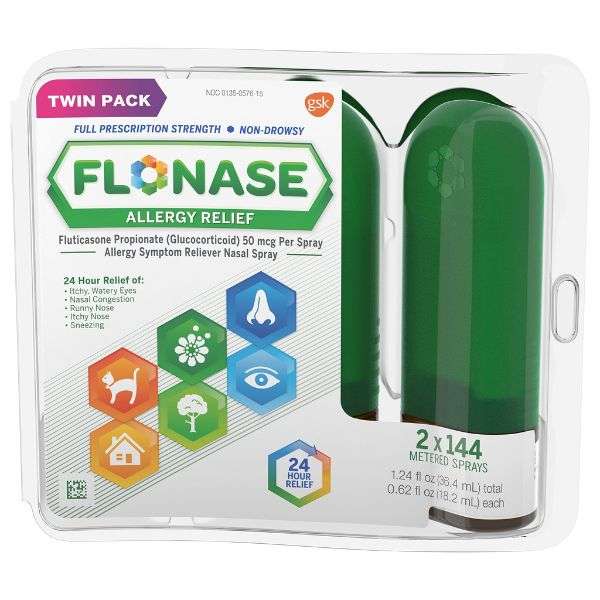
Flonase is a well-known nose spray with a fancy name. It’s used to treat things like sneezing, stuffy nose, and itchy nose caused by allergies like hay fever. This product works by making your nose less swollen and stopping your body’s allergy response.
You can buy Flonase in many places without needing a doctor’s prescription. Or, your doctor can give you a special prescription for it. When you use this kind of spray, make sure to follow the instructions on the bottle or what your doctor says.
Flonase for Eyelash Allergies? Not a Good Idea
Now, let’s delve deeper into the complexities of using Flonase as a remedy for individuals experiencing allergies during lash extensions. It’s essential to understand that the application of Flonase in this context does not align with the recommended practices advocated by professionals in the lash extension industry. This approach remains largely unconventional and is not considered a standard solution in this domain.
So, does it work on lash extension adhesive allergies? Yes, it works but temporarily!
Considering its effectiveness in mitigating lash extension adhesive allergies, it’s important to note that Flonase might offer temporary relief. However, it’s crucial to recognize that even with the temporary relief, the underlying allergy remains persistent. In essence, while the spray may provide temporary respite, it does not address the fundamental issue of the allergic reaction itself.
1. It’s Not Meant for Eyes
Flonase is made for your nose, not your eyes. Putting it near your eyes can raise the pressure in your eyes and might cause a condition called glaucoma, which is bad for your vision. Moreover, because the eyelid area is very thin, you want to be careful of the skin wasting away, especially if you’re doing this multiple times.
Maybe someone will have other opinions about this topic because we can see such many answers around the question to use Flonase for lash extension adhesive allergy. They thought that some people eyes and tear ducts connected to the nasal cavity so when you are squirting that up your nose and it’s most definitely getting into the eye mucous membranes. Some others feel like a light swipe of it on the eyelid and not putting it in your eye with the frequency for once every two weeks is not going to cause issues.
Anyway, y’all should at least let your clients know what the risk are. Maybe using this product does work but the added risks make it not worth it. There are other ways to have lashes without compromising eye health.
2. What the Pros Do
If someone is worried about having allergies to the glue used for lash extensions, professionals do a test first. They put a tiny bit of glue or lash material on the skin to see if there’s a bad reaction before they put on all the lashes. It’s the right way to do things.
Moreover, individuals should be aware that some people might develop allergies to certain materials in lash extensions, such as synthetic fibers or adhesives. Reactions can range from mild irritation to more severe symptoms like redness, itching, or swelling. This is why it’s crucial to undergo an allergy test as a precautionary measure, ensuring a safe and enjoyable experience with eyelash extensions.
And if you have questions or problems about eyelashes or allergies, talk to a professional who knows about this stuff. They can give you good advice and make sure you’re safe when you get your eyelashes done. Additionally, they can offer insights on aftercare and maintenance to help preserve the quality of the lash extensions for a longer duration.
3. Look for Other Solutions
Remember, there are other ways to deal with allergies to eyelash glue. You can try different types of glue or materials to see what works best for your skin. For instance, hypoallergenic adhesives or those specifically designed for sensitive skin might be worth exploring. Additionally, some individuals find success with alternative eyelash application methods that don’t involve adhesives, such as magnetic lashes or lash extensions.
Even though your tears and nose are connected, putting Flonase on your eyelids is not the same as putting it in your eyes. Still, it’s important to think about the risks when using Flonase in a way it wasn’t meant for. Consult your healthcare provider or an ophthalmologist to discuss suitable alternatives or treatments for any underlying allergy issues and to ensure the safety and efficacy of any new solutions you consider.
Professional Opinion

In Conclusion
Of course, we don’t think Flonase is a bad product. In fact, it’s super great for what experts allow it for. However, using Flonase for eyelash extension allergies isn’t something we should promote. It’s important to put your health and safety first.
If you have allergies or problems, get advice from a professional who knows what they’re doing. You can still have beautiful lash extensions without risking your eye health. Make sure you make smart choices and stay safe when you want to look pretty.
Remember, when it comes to lash extensions, LavisLash is your ticket to excellence. If you have any questions, don’t hesitate to contact us through THIS email or drop us a message on our social media platforms like Instagram or Facebook Page.
Happy lashing, our friends!
